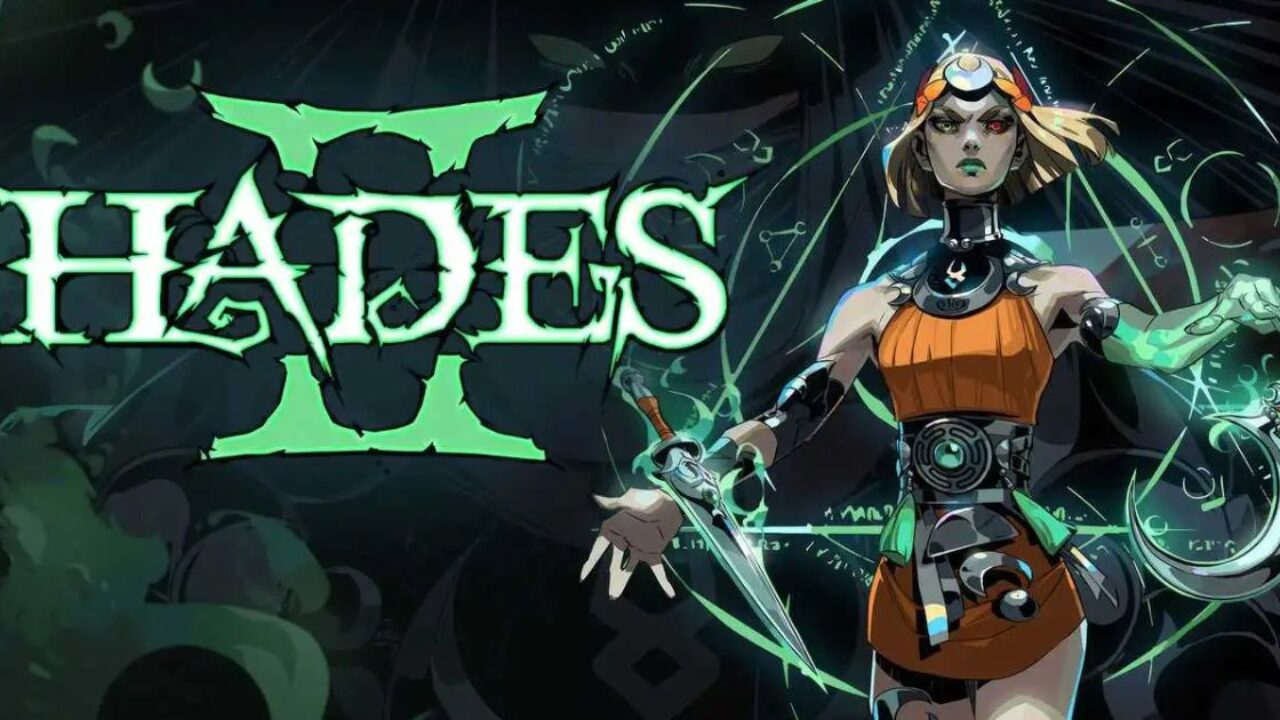
Hades II menghadirkan cerita yang berlatar sebelum peristiwa game pertama dengan Melisinoe sebagai protagonis yang memiliki kepribadian dan motivasi berbeda dari Zagreus. Sebagai murid dari Hecate, dewi sihir dan persimpangan jalan, Melisinoe menguasai berbagai sihir dan kemampuan mistis yang membedakannya dari kakaknya. Narasi yang disampaikan melalui dialog antar karakter tetap menjadi kekuatan utama dengan tulisan yang tajam dan akting suara yang luar biasa. Karakter-karakter baru yang diperkenalkan menambah kedalaman mitologi Yunani yang dihadirkan, sementara karakter lama kembali dengan perkembangan yang menarik. Setiap kematian terasa seperti kemajuan bukan kegagalan berkat narasi yang terus berkembang.
Hades II: Kelanjutan Roguelike Legendaris dengan Protagonis Baru
Hades II adalah game PC terbaru yang melanjutkan warisan roguelike legendaris dari Supergiant Games dengan protagonis baru yang tidak kalah karismatik. Melisinoe, adik dari Zagreus, mengambil alih peran utama dalam petualangan melawan Titan Chronos yang telah membawa kehancuran. Dengan gameplay yang telah disempurnakan dan narasi yang terus berkembang, Hades II menawarkan pengalaman yang segar namun tetap setia pada formula yang membuat pendahulunya dicintai. Bagi Anda yang mencari hiburan gaming berkualitas, kunjungi cr777 untuk pengalaman bermain yang tidak kalah seru.
Dari sisi gameplay, Hades II mempertahankan formula roguelike yang adiktif sambil menambahkan berbagai inovasi. Sistem pertarungan yang lebih kompleks dengan kemampuan sihir dan mekanik baru menciptakan kedalaman strategis yang lebih besar. Senjata-senjata baru dengan gaya bermain unik menawarkan variasi yang signifikan antar run. Sistem boon dari para dewa tetap menjadi inti dari build crafting dengan kombinasi yang hampir tak terbatas untuk dieksplorasi. Fitur baru seperti gathering resource dan sistem upgrade permanen menambahkan lapisan progression yang memuaskan. Boss fight yang epik dengan desain kreatif menjadi highlight utama dalam setiap run.
Secara visual, Hades II menunjukkan kualitas artistik yang menjadi ciri khas Supergiant Games. Desain karakter yang memukau, animasi yang fluid, dan lingkungan yang penuh detail menciptakan dunia yang hidup dan berwarna. Musik yang digarap oleh Darren Korb kembali memukau dengan komposisi yang menggabungkan berbagai genre. Meskipun masih dalam tahap Early Access, Hades II sudah menunjukkan potensi besar untuk melampaui kesuksesan pendahulunya. Dengan semua elemen yang dimilikinya, Hades II menjadi salah satu game PC terbaru terbaik di genre roguelike.
Hal yang paling membedakan Hades II dari pendahulunya adalah protagonis utamanya, Melisinoe. Berbeda dari Zagreus yang bertarung terutama dengan senjata fisik, Melisinoe adalah penyihir berbakat, dengan kemampuan menggunakan sihir dan keterampilan mistis. Dia dapat memanggil roh, menggunakan sihir serangan dan dukungan, serta mengubah dirinya untuk beradaptasi dengan situasi. Perbedaan ini menciptakan gaya bermain yang benar-benar baru, sambil tetap mempertahankan elemen inti yang membuat Hades sukses. Melisinoe juga memiliki kepribadian yang berbeda, lebih serius dan fokus dibandingkan Zagreus yang lebih santai.
Sistem pertarungan Hades II diperluas dengan banyak kemampuan baru. Selain serangan dasar, Melisinoe dapat menggunakan sihir untuk menciptakan berbagai efek, dari serangan area hingga dukungan sekutu. Sistem Omega yang diperkenalkan di game pertama kembali dengan lebih banyak opsi, memungkinkan pemain menggabungkan serangan dan sihir untuk menciptakan efek kuat. Senjata baru seperti Witch’s Staff dan Moonstone Axe menawarkan gaya bermain beragam, dari jarak jauh hingga jarak dekat. Setiap senjata memiliki moveset sendiri yang dapat diupgrade dan dikustomisasi sesuai preferensi pemain.
Sistem boon Hades II diperluas dengan partisipasi banyak dewa baru. Selain dewa yang sudah dikenal seperti Zeus, Poseidon, Athena, dan Aphrodite, pemain dapat menerima boon dari dewa baru seperti Hestia, dewi perapian, dan Apollo, dewa cahaya. Setiap dewa memberikan jenis boon berbeda, dari peningkatan damage, pertahanan, hingga efek khusus. Menggabungkan boon dari banyak dewa menciptakan build unik dan kuat, mendorong pemain untuk bereksperimen dengan banyak strategi. Sistem ini menciptakan replayability yang hampir tak terbatas, karena setiap run dapat menghasilkan kombinasi boon yang berbeda.
Dari segi cerita, Hades II berlangsung sebelum peristiwa game pertama, ketika Chronos, Titan waktu, telah melarikan diri dari Tartarus dan berusaha mengubah takdir. Melisinoe, sebagai murid Hecate, ditugaskan untuk menghentikan Chronos dan melindungi dewa Olympus. Cerita disampaikan melalui dialog dengan berbagai karakter, masing-masing dengan sudut pandang dan motif sendiri. Pengungkapan tentang masa lalu Melisinoe dan hubungannya dengan para dewa menciptakan kedalaman emosional untuk cerita. Narasi yang terus berkembang memberikan motivasi bagi pemain untuk terus bermain meskipun mengalami kegagalan.
Dari segi visual dan audio, Hades II melanjutkan gaya artistik khas Supergiant Games. Desain karakter digambar tangan dengan warna cerah dan detail halus. Lingkungan diciptakan dengan banyak lapisan, dari hutan gelap hingga istana megah. Musik Darren Korb menggabungkan elemen rock, elektronik, dan folk, menciptakan lagu yang energik sekaligus emosional. Akting suara dari cast berbakat menghidupkan setiap karakter, dari momen lucu hingga momen tragis. Setiap aspek presentasi berkontribusi pada pengalaman yang kaya dan memuaskan.
Kesimpulannya, Hades II adalah kelanjutan yang layak untuk salah satu game roguelike terbaik sepanjang masa. Dengan protagonis baru yang menawan, sistem pertarungan yang diperluas, cerita menarik, dan kualitas produksi puncak, game ini membuktikan bahwa Supergiant Games masih menjadi salah satu studio paling kreatif di industri. Meskipun masih dalam Early Access, Hades II sudah menjadi salah satu game PC terbaru terbaik yang harus dimainkan penggemar roguelike dan game dengan gameplay yang adiktif.